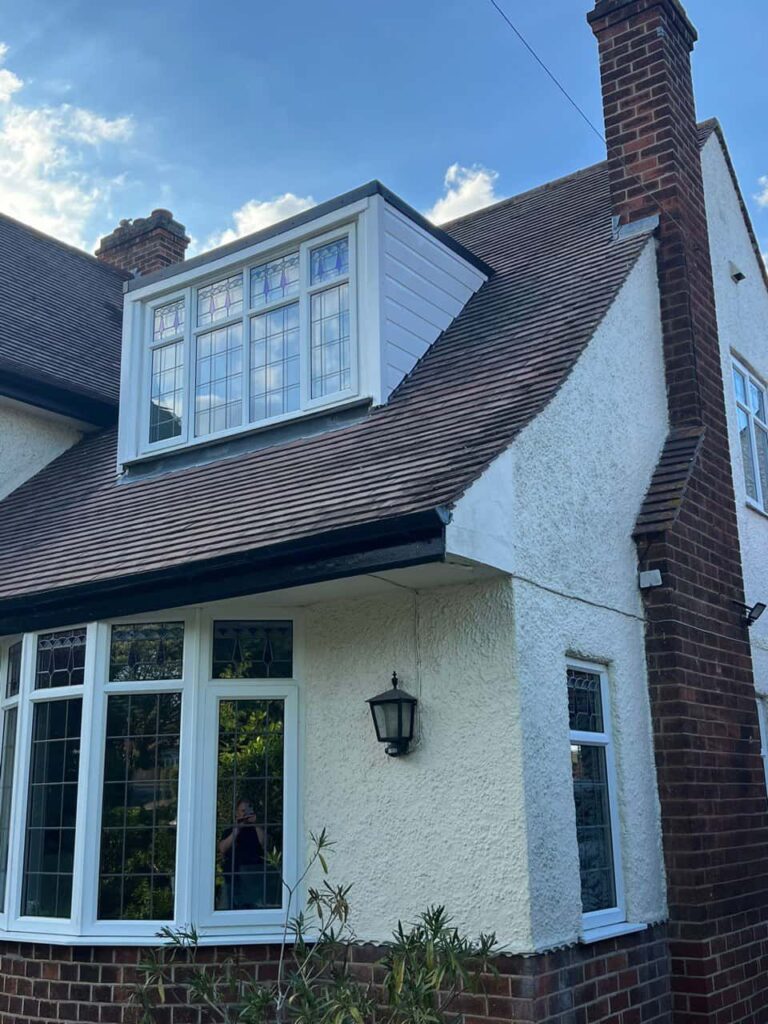
A leaking or visibly worn roof can create the impression that complete replacement is inevitable. However, serious-looking symptoms do not always mean that the entire roofing system has failed. A localised defect around a tile, valley, chimney or section of flashing can sometimes cause significant water ingress while most of the roof remains serviceable.
A professional roof inspection establishes the true condition of the covering and the materials beneath it. For property owners in Tidworth, Wiltshire, this evidence can help distinguish between a repairable problem and deterioration that genuinely requires wider work.
How a Professional Inspection Supports the Right Roofing Decision
The purpose of an inspection is not simply to locate visible damage. It should identify why the problem developed, determine how far it has spread and establish whether the surrounding roof remains dependable.
It Identifies the Actual Source of a Leak
An internal damp patch does not always appear directly beneath the point where water entered. Moisture can travel along underlay, battens and roof timbers before reaching a ceiling or wall.
A thorough inspection may trace the problem to:
- A cracked or displaced tile
- Failed lead flashing
- A damaged roof valley
- Deteriorated ridge or verge mortar
- Defective roof-window detailing
- Torn underlay
- Blocked or damaged guttering
- A poorly sealed roof penetration
If the source is confined to one detail, a targeted repair may restore the roof without unnecessary replacement.
It Shows Whether Damage Is Localised or Widespread
Localised damage affects a clearly defined section while the surrounding materials remain sound. Widespread deterioration may involve several roof slopes, multiple junctions or extensive failure beneath the covering.
An inspection considers the pattern of damage rather than judging the roof from its worst-looking area. One badly affected section does not automatically mean every tile, batten and piece of underlay needs replacing.
It Assesses More Than the Visible Covering
Tiles and slates form only the outer layer of a roofing system. Their appearance cannot confirm the condition of the underlay, battens and supporting timbers below.
Where access allows, an assessment should examine:
- Tile or slate alignment
- Fixings and battens
- Underlay condition
- Rafters and other structural timbers
- Valleys, ridges and verges
- Chimney and wall junctions
- Fascias, soffits and guttering
- Insulation and moisture patterns in the loft
This helps prevent decisions based solely on surface appearance.
It Can Reveal a Straightforward Repair
Some roofs develop substantial leaks from relatively contained defects. A lifted section of flashing or a broken tile near a junction can admit considerable water during heavy or wind-driven rain.
Once the defective component and any affected supporting material are repaired, the remaining roof may continue performing effectively. Accurate diagnosis avoids disturbing sound areas unnecessarily.
It Reviews Previous Repairs
A roof with several previous patches is not automatically beyond repair. The quality, position and condition of those repairs must be assessed individually.
Recurring damage in one location may indicate that the original cause was never corrected. Problems appearing across several unrelated areas can point towards broader deterioration. Reviewing the repair history helps establish which situation applies.
Roof Age Is Not the Only Consideration
An older roof may still contain sound tiles, dependable timbers and repairable junctions. Conversely, a relatively recent roof can develop widespread problems if its materials or installation have failed.
The decision should be based on present condition, including:
- The proportion of damaged materials
- The condition of the supporting layers
- The number and location of leaks
- Evidence of structural movement
- The reliability of previous repairs
- Whether new work can integrate with the existing roof
Age provides useful context, but it should not determine the outcome by itself.
It Helps Define the Correct Repair Area
A repair that is too small may leave damp or weakened materials behind. Work that extends unnecessarily far can disturb otherwise sound sections.
Inspection allows the repair boundary to be defined more accurately. This may involve lifting a limited number of tiles to examine and replace damaged underlay or battens before reinstating the covering correctly.
It Can Distinguish a Leak From Condensation
Moisture inside the loft does not always come from an external roof defect. Poor ventilation can cause warm, damp air to condense on cold surfaces, producing symptoms that resemble a leak.
Treating condensation by replacing roof tiles will not resolve the underlying issue. A professional assessment considers the position, distribution and timing of moisture before recommending work.
When Might Replacement Still Be Appropriate?
An inspection may determine that wider replacement offers the more dependable solution. Indicators can include:
- Extensive underlay or batten failure
- Numerous deteriorated tiles or slates
- Widespread timber decay
- Significant roofline distortion
- Leaks affecting several areas
- Repeated repairs that continue to fail
- Incompatible or poorly installed previous work
In these circumstances, another isolated patch may not restore reliable performance. The value of the inspection lies in providing clear evidence for that conclusion.
Why Accurate Assessment Matters
Without a detailed inspection, roofing decisions can be based on assumptions. Replacing isolated tiles without investigating hidden damage may leave the leak unresolved, while recommending complete replacement for a contained defect may involve more work than the roof requires.
A professional assessment provides a clearer understanding of the roof as a complete system. It allows repair and replacement options to be considered according to the actual condition of the materials.
Conclusion
A roof inspection can help avoid unnecessary replacement by identifying the source, extent and underlying cause of a roofing problem. Where deterioration is localised and the surrounding structure remains serviceable, a carefully planned repair may provide an effective solution.
MCM Roofing Repairs Tidworth provides professional roof inspections and repairs in Tidworth, Wiltshire. If you are unsure whether your roof needs targeted repairs or more extensive work, arrange an assessment to receive clear guidance based on its condition.
Call us on: 01980 880 394
Click here to find out more about MCM Roofing Repairs Tidworth
Click here to complete our contact form and see how we can help with your roofing needs.