When a roof develops several problems at once, deciding which repairs to tackle first is essential for protecting the property. A slipped tile, damaged flashing and a leaking roof may all need attention, but they do not necessarily carry the same level of urgency. Professional roofers assess the condition of the roof, the risk of further damage and the potential impact on the home before recommending a repair order.
For homeowners in Tidworth, Wiltshire, understanding how roofing repairs are prioritised can help you recognise why some problems need immediate attention while others can be scheduled for later. The aim is to address the most serious defects first and prevent manageable issues from becoming more extensive.
What Factors Determine Which Roof Repairs Come First?
Roofers consider several factors when deciding which repairs should be completed first. The main priorities are protecting the property from water ingress, addressing safety concerns and preventing existing damage from worsening.
1. Active Roof Leaks and Water Ingress
An active roof leak is often a high priority because water can damage ceilings, insulation, timber and internal finishes if it continues to enter the property. Even a relatively small leak can become more disruptive when rain persists or the original defect is left unresolved.
Roofers will investigate where the water is entering and assess whether damaged tiles, faulty flashing or another defect is responsible. Stopping water ingress is generally a priority before moving on to less urgent maintenance work.
It is also important to identify the actual source of the leak, as the damp patch inside a property may be some distance from the point where water enters the roof.
2. Loose or Missing Roof Tiles
Missing, cracked or displaced tiles can expose vulnerable sections of the roof to rain and wind. If the damage has left the underlay or roof structure exposed, repairs may need to be carried out promptly to restore protection.
Roofers will consider the extent of the damage and whether neighbouring tiles are also loose or deteriorating. Securing or replacing the affected materials can help prevent further movement and reduce the risk of additional water penetration.
Loose materials that could fall from the roof may also present a safety concern, making professional assessment particularly important.
3. Structural Damage to the Roof
Problems affecting the roof structure require careful assessment. Sagging sections, deteriorated timbers or signs that part of the roof has moved may indicate a more serious defect than a damaged tile or isolated leak.
Where structural stability is a concern, a roofer will need to establish the extent of the problem before deciding on the necessary work. Addressing these defects may take priority over routine repairs because they can affect the roof’s ability to support its covering safely.
Homeowners should avoid entering areas that appear structurally unsafe until they have been assessed.
4. Damaged Flashing and Roof Junctions
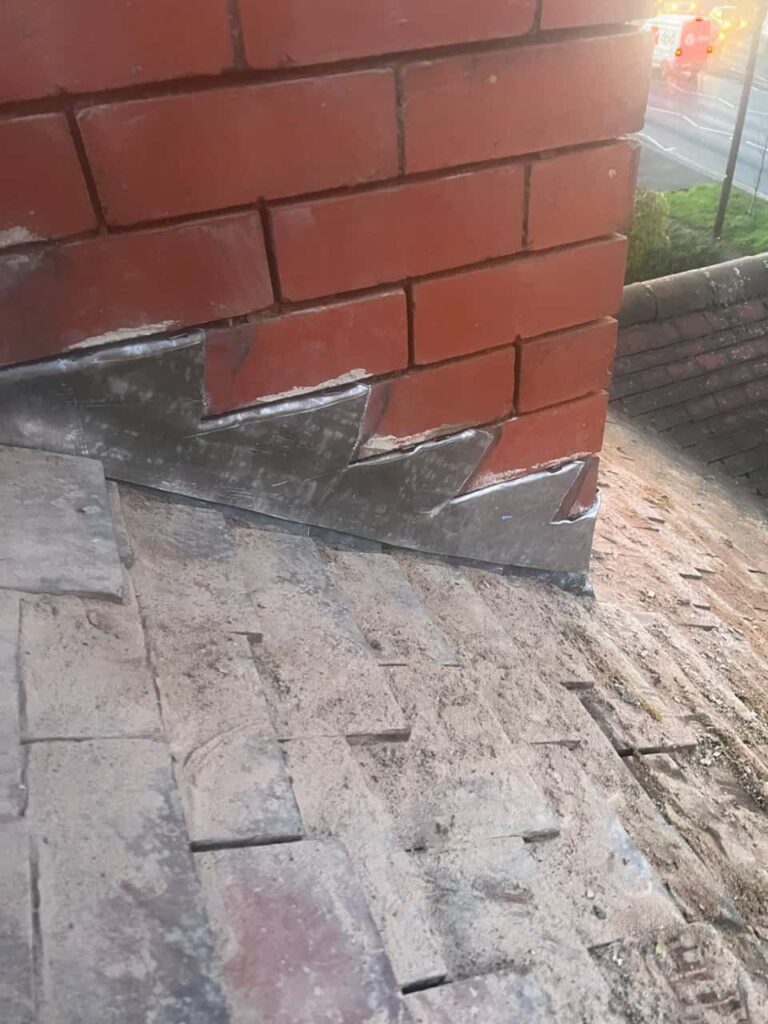
Flashing protects vulnerable areas where the roof meets features such as chimneys and adjoining surfaces. If it becomes loose, cracked or deteriorated, water may enter through the gaps.
The urgency depends on whether the defect is already allowing water into the property and how exposed the affected area is. Flashing associated with an active leak will generally require more immediate attention than minor deterioration that has not yet affected the roof’s performance.
Correctly repairing these junctions helps protect the surrounding roof materials and reduces the likelihood of recurring leaks.
5. Blocked Gutters and Drainage Problems
Gutters and downpipes help direct rainwater away from the building. If they become blocked or damaged, water may overflow against external walls, fascias and other parts of the property.
Roofers will assess whether the drainage problem is contributing to existing dampness or creating a risk of further deterioration. Where water is already overflowing or collecting in vulnerable areas, resolving the drainage issue may be an important early step.
Other routine maintenance tasks can usually be planned around more urgent problems, depending on the roof’s overall condition.
How Do Roofers Assess the Urgency of Different Repairs?
A professional roofing inspection helps establish which defects need immediate attention and which can be dealt with later. Roofers typically consider the location of the damage, the condition of nearby materials and the likelihood of the problem worsening.
For example, a minor defect on an otherwise sound roof may be suitable for planned maintenance. However, the same type of defect could become more urgent if it allows water to enter a loft or affects an already weakened section.
Weather conditions can also influence the order of repairs. Where further rain or strong winds could worsen existing damage, temporary protective measures may be appropriate until permanent repairs can be completed safely.
Can Several Roof Problems Be Repaired at the Same Time?
In some cases, combining related repairs is a practical approach. If an inspection identifies damaged tiles, deteriorated flashing and blocked gutters, a roofer can determine whether these issues can be addressed during the same visit.
However, the order still matters. Problems that threaten the property’s protection or present safety concerns should be dealt with before less urgent work.
A clear repair plan helps homeowners understand what needs attention first, what can wait and whether further investigation is required.
Why Professional Roofing Advice Matters
It is not always easy to judge the seriousness of roof damage from ground level. A small-looking defect may conceal a wider problem, while a visible imperfection may not require immediate repair.
A professional roofer can assess the roof as a whole, identify the cause of any damage and recommend a sensible order of work. This helps ensure that the most important problems are addressed without overlooking defects that could cause trouble later.
Conclusion
Roofers prioritise repairs according to the risk of water ingress, structural concerns, safety and the likelihood of further damage. Active leaks, exposed roof sections and serious structural defects generally require more urgent attention than routine maintenance.
If your property in Tidworth, Wiltshire has several roofing problems or you are unsure which issue needs attention first, MCM Roofing Repairs Tidworth can inspect your roof and advise on the appropriate next steps. Contact us to arrange a professional roofing assessment and establish which repairs should be carried out first.
Call us on: 01980 880 394
Click here to find out more about MCM Roofing Repairs Tidworth
Click here to complete our contact form and see how we can help with your roofing needs.